Argentina Opens Nazi Archives: Revealing the Secrets of Hitler's Henchmen
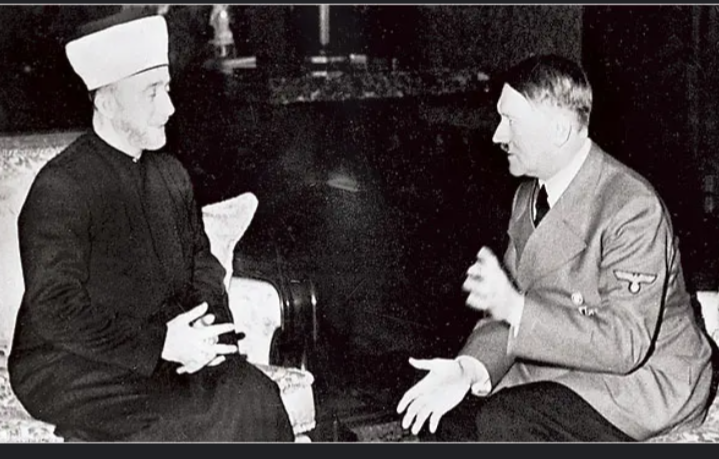
In a move hailed by historians, survivors, and justice advocates worldwide, Argentina has opened its long-sealed archives and revealed thousands of secret files documenting the journeys and postwar lives of Nazi officials, Hitler's henchmen, who fled Europe before and after 1945.
This unprecedented disclosure in November 2025 is shining a piercing light on the mechanisms and extent of the so-called ratlines, the clandestine escape networks that spirited some of the Third Reich's most infamous war criminals to safety on the far side of the Atlantic.
Background: Argentina and the Nazi Escape Networks
During and after World War II, vast numbers of Nazis and fascist collaborators sought refuge from Allied justice.
South America, and especially Argentina, emerged as a primary destination.
Under the rule of Juan Domingo Perón and with the shadowy cooperation of sympathizers in Europe, a series of covert pathways funneled fugitives through Italy and Spain to Buenos Aires.
Known collectively as the "ratlines," these routes exploited forged Red Cross papers, Vatican connections, and complicit officials.
They enabled war criminals including infamous names like Adolf Eichmann and Josef Mengele to assume new identities, build quiet lives, and elude prosecution for years or decades.
For generations, rumors and allegations swirled about Argentina's role.
Survivors, Nazi hunters, and journalists pieced together the stories, but Argentina's official files remained classified, sealed away by postwar governments that, at times, preferred silence to accountability.
The 2025 Archive Revelation
In November 2025, under mounting international and domestic pressure, the Argentine government declassified more than 7,000 documents, passport records, immigration files, and internal correspondence related to suspected Nazi fugitives.
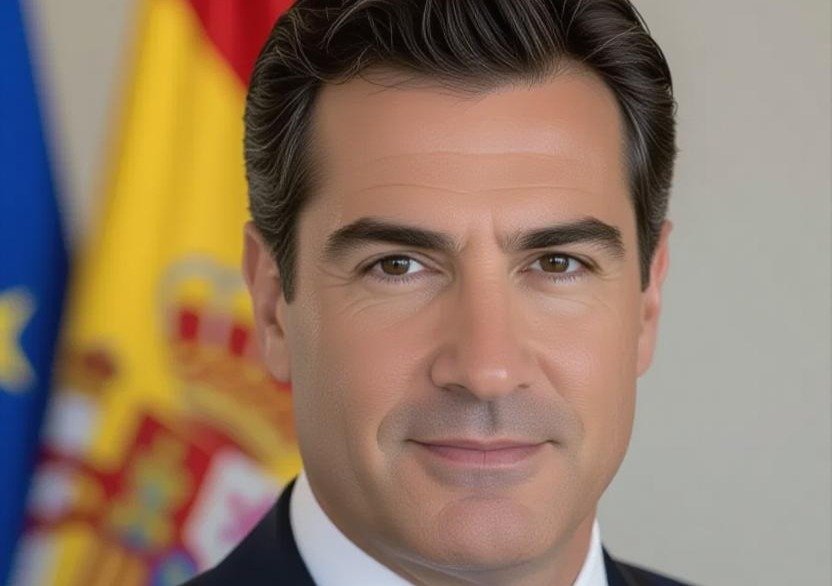
President María Fernanda Arana called the move a "moral imperative" designed to "confront the shadows of our past and lay the foundation for an era of transparency and justice."
The files, many marked "confidencial" or "estrictamente secreto," offer meticulous detail about the identities, routes, and activities of thousands of Nazi officials.
Researchers have found correspondence between Argentine officials and European intermediaries, lists of passenger arrivals, internal police memos monitoring suspicious activities, and even photographs taken under surveillance.
A significant percentage of the files relate not only to notorious figures like Eichmann but also to lesser-known mid-level operatives, SS officers, and Nazi functionaries whose presence had long been suspected but seldom confirmed.
What the Files Reveal
One of the remarkable findings is the systematic approach taken by Argentine authorities in the years immediately following the war.
Immigration officers were instructed to be lenient with "political refugees from Central Europe," while secret police units maintained quiet watch lists.
The files show forged passports issued by South American consulates in Switzerland, Italy, and Spain, and reveal close ties to church charities and German émigré organizations in Buenos Aires and Córdoba.
Among the most chilling revelations are dossiers tracking Dr. Josef Mengele, the "Angel of Death" from Auschwitz, and several of his immediate associates.
Notes from the 1950s show Argentine police suspected Mengele was living on a remote ranch but refrained from arresting or extraditing him, likely under orders from superiors eager not to damage ties with influential émigré communities.
Internal memos in 1946 discuss the "security risks" of admitting large numbers of ex-Nazis.
A small but courageous number of officials expressed concern, warning that "the presence of war criminals in our country could attract international condemnation," but those voices were overruled in favor of policies that prioritized political alliances and economic benefit.
Impact on Victims and Justice
For descendants of Holocaust survivors and victims of Nazi atrocities, the files offer a bittersweet dose of validation and sorrow.
"For years we demanded the truth," said historian and survivor advocate Gabriela Gutman.
"These documents show the scope of official complicity, but they also provide us names, dates, addresses, clues that may finally resolve questions for so many families."
The Simon Wiesenthal Center and other groups have already dispatched teams to cross-reference the Argentine papers with European war crimes records.
Their goal is to identify remaining perpetrators, understand the support networks, and update historical databases to better educate future generations.
Political and Cultural Fallout
The declassification is already sparking heated political debate inside Argentina.
Some right-wing voices argue that too much attention to historic injustices distracts from present challenges.
Others view the archive's release as essential to building a modern, accountable democracy.
Editorial pages in Buenos Aires are filled with soul-searching questions: How deep did Argentine complicity go?
What remains to be done about property and assets transferred by Nazi fugitives?
Will any new criminal cases be possible with these revelations?
For the academic community, the files represent a goldmine of new research opportunities.
Scholars at the Universidad de Buenos Aires and institutions in Europe are forming partnerships to digitize, interpret, and publish the archive online, ensuring global access.
Specialists in international law are reassessing statutes of limitations, while students and educators prepare new curricula addressing both Holocaust memory and Argentina's role in twentieth-century history.
A New Era of Reckoning
By opening its WWII-era files, Argentina is joining a broader movement for historical truth and restorative justice.
Several European countries, France, Austria, and Spain among them, have in recent years declassified wartime and postwar documents.
Each such disclosure weakens the last refuges of myth, denial, and forgetfulness that have allowed war criminals to slip into obscurity.
It also reinforces the principle that the end of conflict does not erase the obligation to seek out wrongdoers, commemorate victims, and teach coming generations.
Ultimately, Argentina's courage in confronting its own record, however painful or controversial, stands as a model for other states with similarly troubled pasts.
The secret files on Hitler's henchmen are not merely yellowing pages of old paper; they are a testament to the power of truth, the resilience of memory, and the unfinished business of justice.
Through their release, the stories of the persecuted can finally be fully told, history can be more honestly written, and living nations may, at last, shed light on even their darkest corners.